













































Finding balance can be challenging in today’s busy world, as work, family and social commitments often leave us feeling stressed and exhausted. However, creating a balanced life is essential to maintaining emotional health. Achieving balance is not about striving for perfection, but about managing your time, energy, and emotions in a way that promotes harmony and peace in your daily life. In this blog, we’ll explore practical steps to help you create a more balanced life and improve your emotional health.
What is Emotional Well-being?
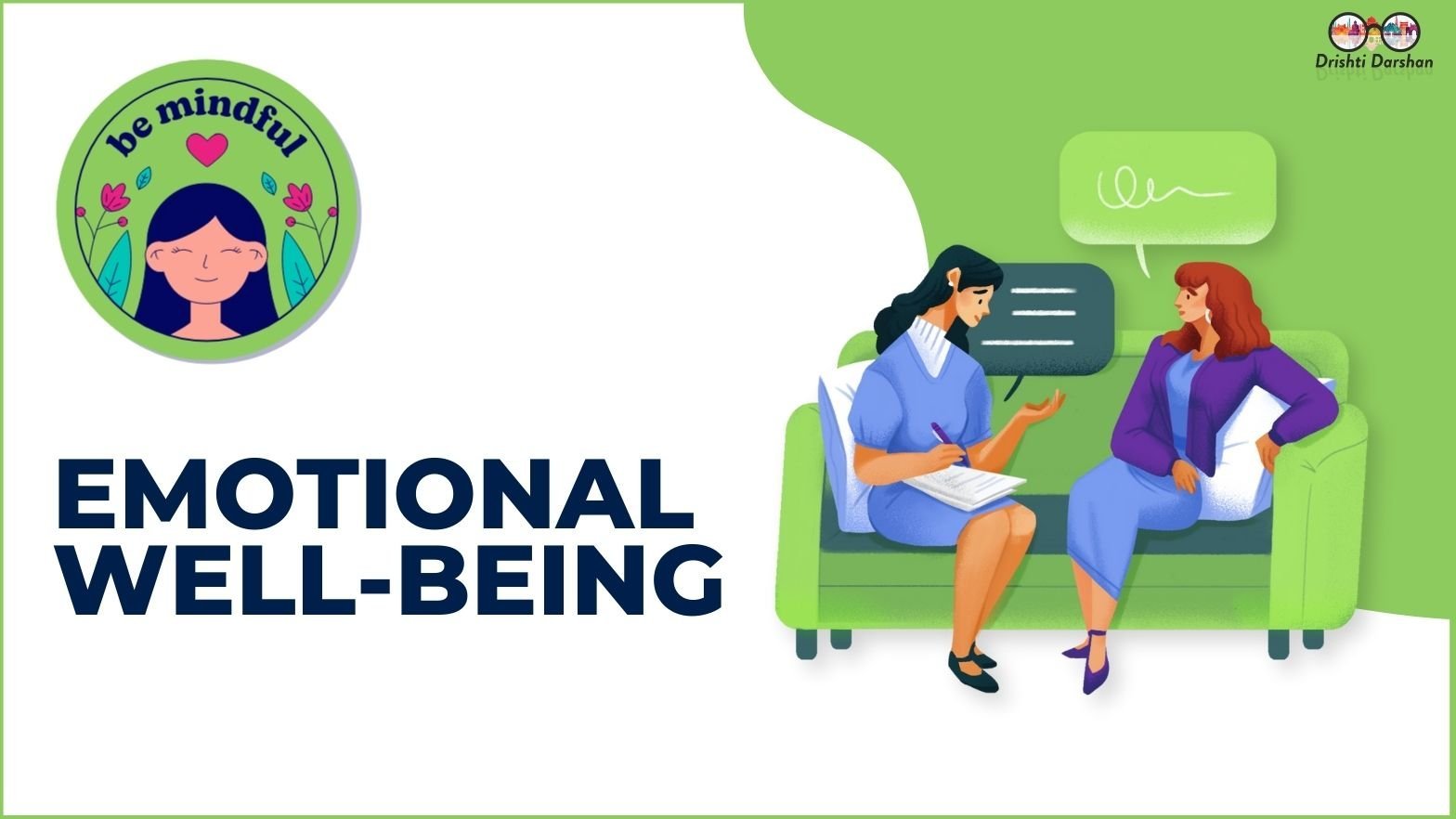
Before considering how to create balance, it’s important to understand what emotional wellness involves. Emotional wellness is the ability to manage your emotions, build strong relationships, and cope with life’s challenges. It’s not about being happy all the time; it’s about having the tools to deal with stress, sadness, and other emotions in a healthy and productive way. A balanced life supports emotional wellness by reducing stress and giving you the mental and emotional resources you need to deal with adversity.
Why is Balance Important for Emotional Well-being?
Balance provides a sense of control, stability, and peace. Without it, you may find yourself overly stressed, constantly stressed, and unable to enjoy the present moment. Emotional imbalances can lead to mental health problems such as anxiety, depression, and burnout. By creating balance in your life, you can reduce stress, increase happiness, and improve your overall well-being.
1. Prioritize Self-Care
Self-care is a fundamental component of a balanced life. Often, we become so busy taking care of others or meeting external demands that we neglect our own needs. This can lead to burnout, emotional exhaustion, and feelings of isolation.
To prioritize self-care, start by setting aside regular time for activities that nourish your mind, body, and spirit. This can include:
- Exercise: Regular physical activity releases endorphins, natural stress-relieving hormones in the body, and helps you feel more energetic.
- Mindfulness or Meditation:Practicing mindfulness or meditation can help you stay grounded and reduce stress.
- Relaxation Activities: Whether it’s reading a book, taking a bath, or spending time in nature, engaging in relaxing activities helps recharge your emotional batteries.
By making self-care a priority, you’re not only taking care of your own emotional health but also setting an example for others to follow.
2. Set Boundaries
One of the key aspects of living a balanced life is learning to say “no” when necessary. Many people struggle with setting boundaries because they fear disappointing others or missing out on opportunities. However, constantly pushing yourself too much can lead to emotional burnout.
Setting boundaries is about protecting your time and energy. Start by identifying areas in your life where you feel overwhelmed or stressed. Are you taking on too many work projects? Are you attending too many social events? Once you identify these areas, practice saying “no” to commitments that don’t align with your priorities.
Healthy boundaries allow you to focus on what’s most important, giving you the emotional space to recharge and stay balanced.
3. Maintain Healthy Relationships
Relationships play an important role in emotional health. However, not all relationships contribute positively to our emotional health. Toxic or unbalanced relationships can drain your energy and cause emotional turmoil.
To maintain healthy relationships:
- Communicate Effectively: Clear and honest communication is the key to resolving conflicts and promoting understanding.
- Seek Support:Surround yourself with people who encourage and support you. When times are tough, having a strong support system can make a huge difference.
- Balance Social Time: It’s important to find a balance between spending time with others and spending time alone. Too much socializing can be overwhelming, while too much aloneness can lead to feelings of loneliness.
By nurturing positive relationships and letting go of those that no longer serve you, you create emotional space for growth and balance.
4. Create a Work-Life Balance
For many people, work is a significant source of stress and imbalance. Long hours, tight deadlines, and constant pressure can take a toll on your emotional health. Creating a balance between work and personal life is important to maintain emotional health.
To create a better work-life balance:
- Set Limits on Work Hours: If possible, set clear boundaries about your work hours. Avoid bringing work home or working late into the night.
- Take Breaks: Taking regular breaks throughout the day can help reduce stress and improve focus. Step away from your desk, go for a walk, or take a few moments to breathe and refresh yourself.
- Prioritize Time for Hobbies: Engaging in hobbies and activities outside of work can help keep you energized and maintain balance.
By creating boundaries between your work and personal life, you can reduce work-related stress and create more space for the things that bring you joy.
5. Practice Gratitude
Gratitude is a powerful tool for emotional well-being. When you focus on what you are grateful for, you shift your perspective from lack to abundance. Practicing gratitude can help you stay stable and emotionally balanced even during challenging times.
To incorporate gratitude into your daily routine:
- Keep a Gratitude Journal: Every day, write down three things you’re grateful for. This simple exercise can improve your mood and help you maintain a positive outlook.
- Express Gratitude to Others: Tell the people in your life how much you appreciate them. Expressing gratitude strengthens relationships and increases emotional connection.
- Focus on the Present Moment: Instead of focusing on past regrets or future worries, practice gratitude by appreciating the present moment.
Gratitude helps reframe negative situations and reminds you of the good things in your life, boosting your emotional well-being.
6. Embrace Flexibility
Balance doesn’t mean dividing your time into perfect chunks. Life is unpredictable, and it’s important to remain flexible when creating balance. There will be days when your work demands more of your time or when personal issues take priority. The important thing is to adapt without losing sight of your overall goals.
To embrace flexibility:
- Stay Open to Change: Life is full of unexpected changes, so it’s important to remain adaptable. When things don’t go according to plan, focus on what you can control and make adjustments as needed.
- Practice Self-Compassion: Be kind to yourself when things get out of balance. Instead of criticizing yourself for not accomplishing all your goals, acknowledge your efforts and recognize that balance is an ongoing process.
By practicing flexibility, you reduce stress and develop resilience, which is essential for maintaining emotional well-being.
7. Focus on Personal Growth
A balanced life isn’t just about reducing stress—it’s also about personal satisfaction. Focusing on personal growth helps you align your life with your values and passions, contributing to long-term emotional well-being.
To foster personal growth:
- Set Personal Goals: Identify areas where you want to move forward, whether it’s in your career, relationships, or personal interests. Setting goals gives you a sense of purpose and direction.
- Pursue Lifelong Learning: Whether it’s learning a new skill, reading books, or taking a course, constant learning keeps your mind sharp and engaged.
- Reflect on Your Progress: Take time to reflect on your progress and accomplishments. Celebrating your progress boosts self-esteem and motivates you to keep moving forward.
Focusing on personal growth ensures that you will not only survive, but thrive in all aspects of your life.
Conclusion
Creating a balanced life for emotional health is an ongoing process that requires self-awareness, intention, and effort. By prioritizing self-care, setting boundaries, nurturing relationships, and maintaining a work-life balance, you can create a life that supports your emotional health. Remember that balance isn’t about perfection; it’s about making choices that align with your values and goals. With patience and persistence, you can create a balanced life that brings peace, happiness, and emotional well-being.