











































In today’s interconnected world, social media has become an indispensable aspect of daily life. Whether it’s keeping in touch with friends, sharing experiences or staying updated on the latest trends, these platforms offer a variety of benefits. However, as social media usage increases, so does concern about its social media impact on mental health. While social media offers many benefits, it also poses several risks to mental health. This blog explains how social media can affect mental health, what signs to look out for and how to maintain a healthy relationship with these platforms.
The Allure of Social Media
Social media platforms such as Facebook, Instagram, Twitter and TikTok have revolutionized the way we communicate. They offer the chance to connect with the world instantly, allowing users to share their moments, thoughts and opinions with a global audience. The allure of social media lies in its ability to make us feel connected, informed and entertained. However, this constant engagement can also lead to an over-reliance on these platforms, which can have unintended consequences on our mental health.
The Positive Side of Social Media
Before discussing the negative aspects, it is important to acknowledge that social media has its positive aspects as well. For many people, it is a source of support, inspiration, and connection. It gives people the opportunity to stay in touch with distant friends and family, join communities of like-minded individuals, and access information and resources that can improve their lives.
- Connection and Community: Social media enables people to maintain relationships across distance, and provides a sense of belonging and support, especially for those who feel isolated in their offline lives.
- Awareness and Education: Platforms like Twitter and Instagram have become powerful tools for raising awareness about social issues and educating people on a variety of topics. This can empower individuals to make informed decisions and advocate for change.
- Creativity and Self-expression: Social media provides a platform for creativity, allowing users to share their talents, ideas, and stories with the world. This can be incredibly gratifying and help boost self-esteem.
Although these benefits are significant, the downside of social media should not be overlooked.
The Negative Impact on Mental Well-being
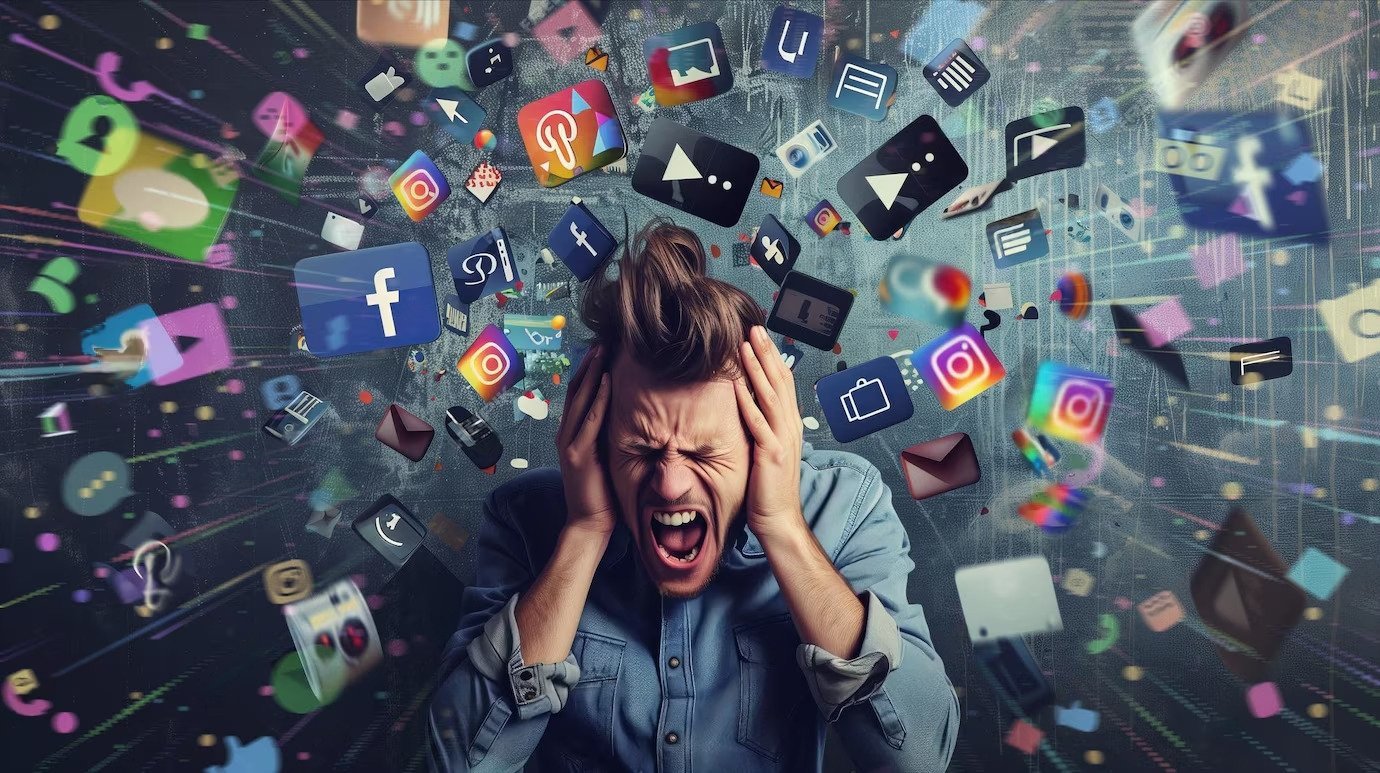
As much as social media can uplift and connect, it can also harm mental health. The constant exposure to curated images, the pressure to present an ideal life and the addictive nature of these platforms can all contribute to a range of mental health problems. Here are some ways in which social media can negatively impact mental health:
-
Comparison Culture:
One of the most pervasive issues with social media is the culture of comparison it fosters. Users often compare their lives to the seemingly perfect lives of others, which can lead to feelings of inadequacy and low self-esteem. This is especially true when it comes to body image, lifestyle, and success. Highlights from someone else’s life can make us feel like we fall short in our own lives.
-
Fear of Missing Out (FOMO):
The constant flood of updates and events on social media can lead to a fear of missing out (FOMO). This feeling can lead to anxiety and stress as one feels pressured to stay up to date with everything happening around them. FOMO can lead people to spend more time on social media, which can worsen the problem.
-
Cyberbullying:
Social media platforms can be breeding grounds for cyberbullying, where individuals are harassed, threatened, or shamed by others online. Cyberbullying can have serious consequences on mental health, leading to depression, anxiety, and even suicidal thoughts, especially in teenagers and young adults.
-
Addiction:
The addictive nature of social media is another major concern. The need for constant validation through likes, comments and shares can create a cycle of dependency on these platforms. This addiction can interfere with daily life, reducing productivity, sleep and real-life social interactions, all of which are crucial for maintaining mental health.
-
Loneliness and Isolation:
Ironically, social media is designed to connect people, but it can also lead to feelings of loneliness and isolation. Studies have shown that excessive use of social media increases feelings of loneliness, as users prefer online interactions to real-life relationships. The lack of face-to-face communication can hinder the development of meaningful relationships, leading to feelings of isolation.
-
Sleep Disruption:
Excessive use of social media, especially before bedtime, can disrupt sleep patterns. The blue light emitted from screens can interfere with the production of melatonin, a hormone that regulates sleep. Poor sleep quality is associated with a number of mental health problems, including depression and anxiety.
-
Stress and Anxiety:
The pressure to maintain a certain image or keep up with social media trends can be overwhelming, leading to increased stress and anxiety. The need to constantly be “on” and available can create a feeling that is hard to handle.
Recognizing the Signs of Social Media’s Impact
It’s important to be aware that social media can have a negative impact on your mental health. These signs may include:
- Feeling anxious or stressed after using social media.
- Experiencing a decrease in self-esteem after comparing yourself to others online.
- Spending excessive amounts of time on social media at the expense of other activities.
- Feeling isolated or lonely despite frequent online interactions.
- Struggling with sleep due to late-night social media use.
- Experiencing mood swings or depression linked to social media activity.
If you recognize these signs in yourself or someone you know, it may be time to reassess your relationship with social media.
How to Maintain a Healthy Relationship with Social Media
Given the potential impact of social media on mental health, it’s important to develop healthy habits for using these platforms. Here are some strategies to help you maintain a positive relationship with social media:
- Set Boundaries: Establish clear boundaries for social media use. This might include setting time limits, avoiding social media during certain hours (such as before bed), and designating specific times for checking your accounts.
- Curate Your Feed: Take control of what you see on social media by curating your feed. Follow accounts that inspire and uplift you, and unfollow or mute accounts that trigger negative feelings or comparisons.
- Focus on Real-Life Connections: Prioritize real-life relationships over online interactions. Make time to connect with friends and family in person, and engage in activities that bring you joy outside of social media.
- Practice Mindfulness: Be mindful of how social media affects your mood and mental health. If you notice that social media is causing you stress or anxiety, take a step back and assess how you can change your usage habits.
- Take Social Media Breaks: Periodically taking breaks from social media can be beneficial for mental health. Use this time to recharge, focus on self-care, and reconnect with the offline world.
- Seek Support: If social media is significantly affecting your mental health, consider seeking support from a mental health professional. They can help you develop coping strategies and address any underlying issues.
The Future of Social Media and Mental Health
As social media continues to evolve, so does its impact on mental health. It is important for individuals, families, and communities to stay informed about these changes and promote healthy social media use. By promoting open conversations about the challenges and benefits of social media, we can create a more supportive environment for those affected by its influence.
In conclusion, while social media offers many benefits, it is essential to be aware of how it can affect mental health. By recognizing the signs of negative influences and taking active steps to manage social media use, we can enjoy the benefits of these platforms without compromising our mental health.